Cottonseed oil - Wikipedia
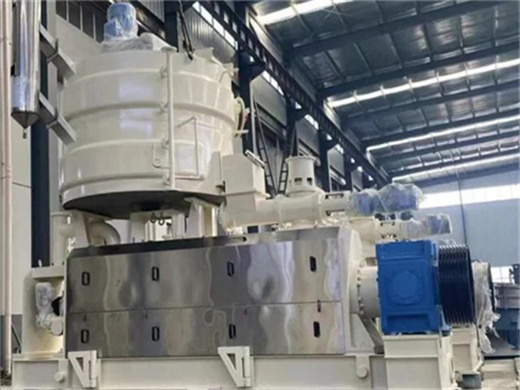
- Type: cottonseed oil mill
- Usage/Application: cottonseed
- Production Steam consumption: 450 kg/T of oil
- Phosphoric acid: 2~3 kg/T of oil
- Bleaching earth consumption: 5~50Kg/Work
- Loss due to deodorization consumption: ≤0.5%
- Bleaching waste: <35%
- Country: zambia
Cottonseed oil is cooking oil from the seeds of cotton plants of various species, mainly Gossypium hirsutum and Gossypium herbaceum, that are grown for cotton fiber, animal feed, and oil. [ 1 ] Cotton seed has a similar structure to other oilseeds , such as sunflower seed , having an oil-bearing kernel surrounded by a hard outer hull;
zambia Cotton Project: Reintroducing Sustainable Cotton to zambia
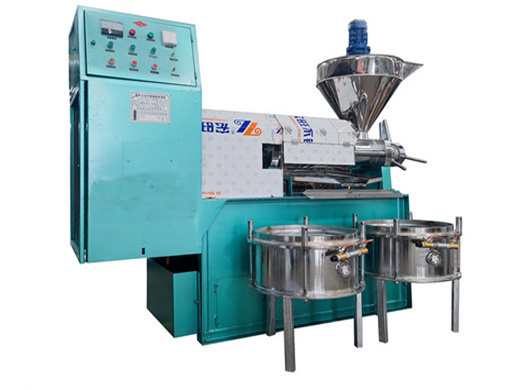
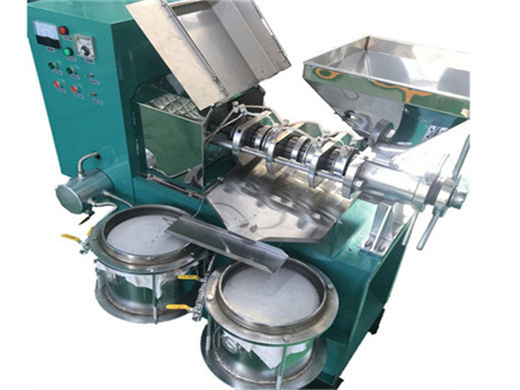
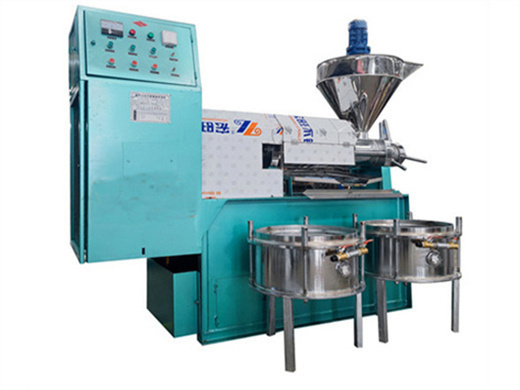
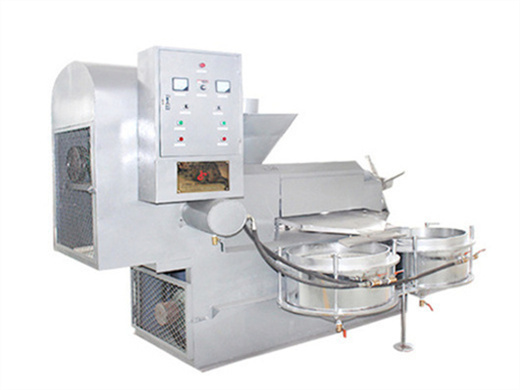
- Type: cottonseed oil processing machine
- Production capacity: 60-100 kg/h
- Voltage: 220V/380V
- Main components: Motor, Pressure vessel, Pump, PLC
- Weight: 1800 KG
- Dimension (L*W*H): 800*1100*1550mm
Cotton was once zambia’s fourth largest agricultural export, until the collapse of the country’s local cotton industry in the late 1980s. Following the well received zambia Cotton Study I conducted in 2016, cotton is now reintroduced as an anchor crop to help revitalize farming, boost the economy and contribute to environmental restoration in
The seed usually is sold by the producer to the gin. The ginner either sells for feed or to an oil mill where the linters (downy fuzz) are removed in an operation very much like ginning. Linters are baled and sold to the paper, batting and plastics industries, while the seed is processed into cottonseed oil, meal and hulls.
Cottonseed hulls
- Usage: cottonseed oil
- Production capacity: 80-500 KG/L
- Voltage: 110 V/220 V
- Main components: gear
- Warranty: 1 year, 12 months
- Weight: 100 kg
It's the seed or the meal made from the seed that is a good fertilizer and also mildly acidifying. The hulls, on the other hand, are essentially worthless as a fertilizer (The National Cottonseed Products Association lists the NPK value of hulls as 0.62/0.14/1.00) and have essentially no effect on soil pH.
Cottonseed oil is a commonly used vegetable oil that’s derived from the seeds of cotton plants. A whole cotton seed contains about 15 to 20 percent oil. Unrefined cottonseed oil contains a toxin
(PDF) Cottonseed oil as health oil - ResearchGate
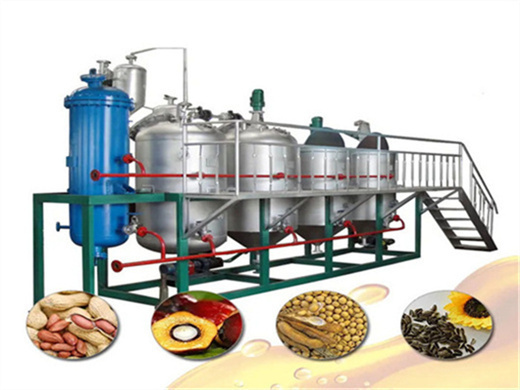
- Type: cooking oil extraction machine
- Production capacity: 1TPD-1000TPD
- Voltage: 380V
- Weight: changed with capacity
- Dimension (L*W*H): various with capacity
- Power (W ): according to capacity
Cotton fibre is the main source of textiles, the seeds are used for oil and the remaining bagasse is used as high-protein animal feed. In addition, cotton’s so-called short fibre is used in more
Composition of cottonseed and cottonseed oil. Components (%) Cottonseed Cottonseed oil References Palmitic acid 17.0 – 23.1 17.0-31.1 (Hamilton et al., 2004 ; Isaac & Ekpa, 2013 ; Quampah et al
Products – National Cottonseed Products Association
- Raw Material: cottonseed oil
- Voltage: 220V/380V
- Dimension (L*W*H): 1200*400*900mm3
- Power(W): According to capacity of oil cold pressing machine
- Weight: According to cold oil press machine capacity
- Material: 304 Stainless Steel
When raw cottonseed moves from the gin to a cottonseed oil mill, it is made up of three parts: 1) linters, which are short fibers still clinging to the seed; 2) hulls, a tough, protective coating for the kernel; and 3) the protein and oil rich kernel itself. Approximately 10-15 percent of a cotton producer’s income comes from cottonseed.
Potential Benefits. 1. Contains Linoleic Acid. About 55 percent of refined cottonseed oil is made up of polyunsaturated fats like linoleic acid. This is an omega-6 fatty acid that, when consumed in moderation, has been shown to help reduce inflammation, lower the risk of heart disease, improve brain function and boost immune function.
Hongde Machinery Solutions
-
 Solutions
Sunflower Oil Processing
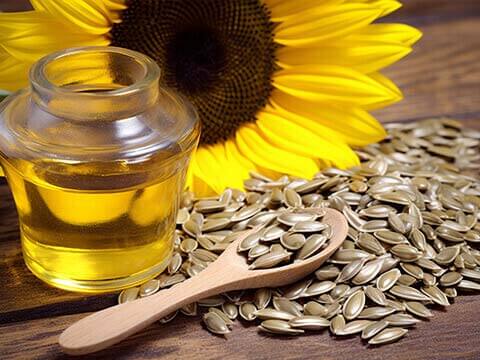
Sunflower oil is extracted from sunflower seeds. It's a highly nutritious edible oil, rich in nutrients such as linoleic acid and vitamin E.
-
 Solutions
Soybean Oil Processing
soybean oil is indispensable in people's daily life. In recent years, with the rapid development of the world soybean oil market...
-
 Solutions
Peanut Oil Processing
Peanut oil, also known as groundnut oil, can be extracted by pressing, pre-pressing and solvent extraction, etc. Among them, the most widely used extraction method is pressing.
-
 Solutions
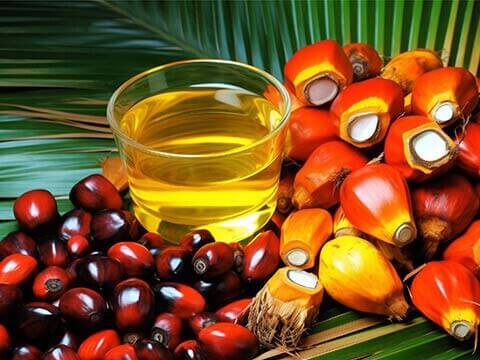
Palm Oil Processing
The Palm Fruit Oil Press Machine is specifically designed for extracting oil from palm fruit with maximum efficiency.
-
 Solutions
Cotton Seed Oil Processing
Cottonseed oil is an oil extracted from cottonseed. The traditional cottonseed oil extraction process involves pressing or extraction.
-
 Solutions
Coconut Oil Processing
Coconut oil, extracted from the meat mature coconuts. Its rich nutritional, include lauric acid (48%).